
Under eye red light therapy has become a popular option for people who want visible improvement without needles or harsh resurfacing.
When used correctly, red light therapy can support healthier-looking under-eye skin over time by improving the look of texture and overall skin quality.
But it also requires more care than a typical full-face routine, because eye safety and proper positioning matter.
What this article covers:
- Can Red Light Therapy Help Under-Eye Concerns?
- How Red Light Therapy Works On The Under Eye Area
- Is Under-Eye Red Light Therapy Safe?
- How To Use Red Light Therapy Under Your Eyes
- How Long Does It Take To See Results Under The Eyes?
- Common Mistakes To Avoid With Under-Eye Red Light Therapy
- Frequently Asked Questions
Can Red Light Therapy Help Under-Eye Concerns?
Yes, red light therapy may help support several common under-eye concerns, especially those tied to texture and visible skin fatigue. The improvements tend to be gradual, and the best outcomes come from consistency rather than intensity.
What Under Eye Red Light Therapy May Help With
Red light therapy can support smoother-looking, healthier-looking under-eye skin in a few key ways:
- Fine lines and crepey texture: The under-eye area often shows early signs of collagen and elasticity changes. Red light therapy may support a firmer-looking appearance over time by improving the look of texture and softness.
- Overall brightness and tone uniformity: Under-eye skin can look dull or shadowed when hydration is low, or texture becomes uneven. Supporting skin health and surface smoothness can improve how light reflects, which helps the area look brighter.
- Puffiness related to inflammation or stress: Red light therapy may support a calmer skin environment. While it does not “drain” fluid instantly, it can indirectly support a less reactive look over time by helping the skin settle.

What It Will Not Fix on Its Own
It's equally important to be clear about limitations. Under-eye concerns can come from structure and genetics, not just skin quality.
Red light therapy will not reliably correct:
- Structural hollowness or tear trough volume loss (this is an anatomy issue, not a topical issue)
- Severe pigmentation causes, such as deeply genetic dark circles or vascular shadowing that sits beneath the skin
Red light therapy can improve the appearance and function of the skin. It cannot change the underlying structure of your face.
How Red Light Therapy Works On The Under Eye Area
Red light therapy is often described as photobiomodulation, a process where low-level red and near-infrared light supports cellular activity without heat injury or surface damage. Instead of forcing renewal through irritation, it supports the skin's own repair and maintenance pathways.
In skincare research, red light therapy commonly involves wavelengths in the red range (often discussed around 620–670 nm) and near-infrared range (often discussed around 800–900 nm). These ranges are frequently used because they are studied for skin support and visible rejuvenation.
Cellular Energy Support and Skin Renewal Signals
The simplest explanation is that light exposure can support how efficiently skin cells function. When cells have better support for normal energy and repair processes, skin can look more resilient over time.
This matters for under-eye skin because the area is prone to:
- Early collagen changes
- Dehydration-related texture
- Sensitivity and inflammation triggers
When your routine supports the fundamentals, skin often looks smoother and less fragile.

Why Under-Eye Skin Responds Differently
Under-eye skin is thinner, and it contains fewer oil glands than other facial areas. That makes it more prone to dryness and surface texture changes, but it also means it can show improvement in surface smoothness faster once a routine becomes consistent.
It's also the area most likely to react to overuse. What looks “gentle” on the cheeks can feel irritating under the eyes if dosing is too frequent or sessions run too long.
Is Under-Eye Red Light Therapy Safe?
It can be safe when used correctly, but eye protection and device instructions matter.
The under-eye area sits close to the eye itself, so your goal is never to shine intense light directly into the eye. Instead, you want controlled exposure on the skin surrounding the eye while keeping your eyes protected and comfortable.
Eye Protection Basics
Red light therapy devices vary in design. Some are built with structured coverage that helps shield direct exposure, while other formats may require additional eye protection.
Safe habits include:
- Keep your eyes closed during sessions
- Follow device guidance on built-in shielding or recommended protection
- Never stare at exposed LEDs directly
- Avoid positioning the device so that light shines straight into the eye
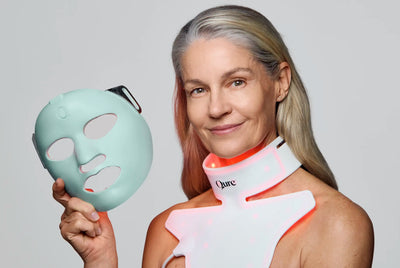
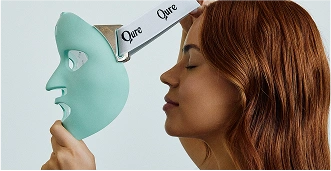
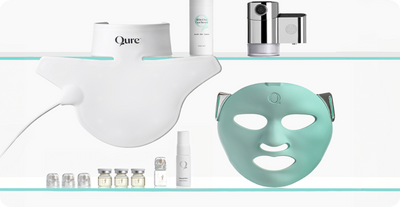
For face coverage with a controlled, wearable setup, Qure's red light mask helps standardize distance and placement, which reduces guesswork in sensitive areas.

How To Use Red Light Therapy Under Your Eyes
If you're using a full-face device, treat your under-eye work as part of a consistent red light therapy face session rather than trying to “spot treat” the area longer; the under-eye skin responds best to controlled, even exposure.
Here's a clean, repeatable routine:
- Cleanse and pat skin dry: Start with clean, dry skin so light exposure stays predictable.
- Apply no heavy products beforehand: Thick eye creams can create a film that interferes with light delivery. Save them for after your session.
- Position carefully: Keep the device stable and avoid directing light into the eye itself.
- Follow your device's duration and frequency: Under-eye skin does best with consistency, not extra-long sessions. Stick to the built-in schedule rather than adding time.
- Apply skincare afterward: This is the ideal time to support hydration and barrier comfort. Qure's anti aging serum fits well after sessions when you want targeted skin support without harshness.
If your skin is reactive, a calming step can improve tolerance. Qure's hypochlorous acid spray has undergone independent repeat insult patch testing with no adverse reactions reported, making it a smart option for sensitive routines.
How Long Does It Take To See Results Under The Eyes?
Within the first few weeks of consistent use, some people notice:
- Under-eye skin looks smoother
- Makeup creases less aggressively
- The area looks more hydrated or less “crinkled”.
These early changes often come from improved surface texture and overall skin stability.
What Takes Longer
Fine lines and firmness changes take longer. Most people need several weeks of consistent use to notice a meaningful shift, and longer-term improvement typically shows up over time rather than all at once.
A realistic approach is to assess progress around the 6–8 week mark, using photos in consistent lighting to avoid day-to-day distortion.

Common Mistakes To Avoid With Under-Eye Red Light Therapy
Under-eye skin rewards careful use, and it punishes overuse. Avoid these common mistakes to protect your results and comfort.
Using It Too Close or Too Long
More time is not better. If you over-treat the under-eye area, you may trigger irritation, dryness, or sensitivity that makes the area look worse temporarily.
Skipping Eye Protection
Even when a device feels “gentle,” light exposure near the eyes requires intentional safety habits. Always follow device guidance and never aim the light directly into the eye.
Using It Over Irritated Skin
If the skin is already inflamed, flaking, or stinging, pause treatment. Under-eye skin needs calm to respond well.
Expecting It to Fix Genetic Dark Circles
Some dark circles are structural, genetic, or vascular. Red light therapy can improve how the skin looks and behaves, but it cannot fully correct shadows created by anatomy.
Frequently Asked Questions
Can Red Light Therapy Reduce Dark Circles Under The Eyes?
It may help with dark circles related to texture or uneven tone by improving the overall look of under-eye skin. It is less likely to correct genetic or structural dark circles caused by hollowness or vascular shadowing.
Do You Need Eye Protection For Under Eye Red Light Therapy?
Yes. You should always prioritize eye safety. Keep your eyes closed during sessions, follow device instructions, and avoid direct exposure to the eye.
How Often Should You Use Red Light Therapy Under Your Eyes?
Follow the schedule recommended by your device. Under-eye results depend more on consistency than intensity. Avoid doubling session time or trying to “speed up” results through overuse.
Conclusion
Under-eye red light therapy can be a supportive, non-invasive tool for smoother, brighter-looking under-eye skin. It may improve the appearance of fine lines, crepey texture, and overall tone uniformity over time, while supporting a calmer skin environment that looks less fatigued day to day.
The key is using it correctly. Keep sessions controlled, avoid direct exposure to the eyes, follow your device instructions, and build a routine that supports hydration and barrier health afterward.
At Qure, we design clinical-quality home devices that are FDA-cleared and dermatologist-approved. Our red light mask is built for consistent facial coverage without a complicated setup.
Pair your light routine with calm skincare support like our hypochlorous acid spray and targeted treatment like our anti aging serum, and let consistency do what intensity never can.
Read more about targeted skincare topics:
Most Popular Posts
-
 #Skin
#Skin
What You Eat Can Reduce Premature Aging by...
-
#Skincare
Beauty Sleep Is Real!
-
#LED Light Therapy
Hack your skincare to match your menstrual cycle
-
#Skin
Ice Bath Facial: the affordably cool hack that...
-
#Skincare
5 Ways To Prevent Premature Ageing
-
#Skincare
Glow Up for the Holidays: Radiant Skin Tips...
-
#LED Light Therapy
Shining Light On Sun-Damaged Skin
-
#LED Light Therapy
How LED Therapy Can Transform Your Skin
-
#Skin
How Cortisol Affects the Skin: The Stress-Skin Connection...
-
#Skin
The Hidden Toll of Smoking on Your Skin:...


