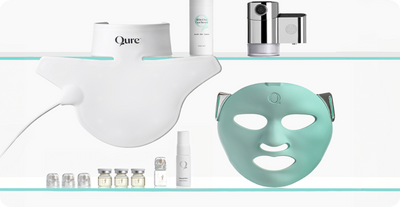

Red light therapy face treatments have moved from dermatology clinics into thoughtfully engineered home devices, giving skincare-literate users access to light-based technology without needles, downtime, or irritation.
For women and men who prioritize evidence, safety, and consistency, this modality offers a compelling bridge between professional care and daily routines.
What this article covers:
- What Is Red Light Therapy For The Face?
- How Red Light Therapy Works On Facial Skin
- Benefits Of Red Light Therapy For The Face
- How To Use Red Light Therapy On Your Face
- When To Expect Results From Red Light Therapy
- Integrating Red Light Therapy With Advanced At-Home Treatments
- Frequently Asked Questions
What Is Red Light Therapy For The Face?
Red light therapy for the face uses LED light in red and sometimes near-infrared ranges to support skin function without creating heat injury or surface damage.
In research and clinical use, “red” typically refers to wavelengths around 620 to 670 nm (often centered near 630 nm or 660 nm), while “near-infrared” commonly refers to wavelengths around 800 to 900 nm (often centered near 830 nm or 850 nm).
These bands differ from ultraviolet light, which can cause DNA damage and accelerate visible photoaging.
In dermatology offices, LED treatments often complement professional facials and recovery protocols because they are gentle and barrier-respecting.
At home, LED devices deliver controlled exposure through calibrated diodes, and the best ones clearly disclose their wavelength peaks and recommended session schedules.
Is Red Light Therapy Safe For The Face?
When used according to device instructions, red light therapy is generally well tolerated, including by many people with sensitive skin. The most common short-term effects are mild warmth and temporary redness that fades quickly, especially in reactive skin.
These are typically comfort-related responses rather than signs of injury.
Extra caution is appropriate if you have known photosensitivity, a light-triggered condition, or if you use medications that increase sensitivity to light. In those cases, checking with a clinician is the most responsible approach.
Safety also depends on dose control, meaning you follow the recommended treatment time and frequency, because longer sessions are not automatically better and can increase irritation risk for reactive skin.

How Red Light Therapy Works On Facial Skin
Red and near-infrared light deliver energy that the skin can use to support normal cellular activity.
Mechanistically, the light interacts with the mitochondrial pathways involved in cellular energy production. That's why you will see red light therapy discussed in the context of “cellular support” rather than exfoliation or resurfacing.
This is where specificity matters: outcomes depend on whether the device delivers an appropriate dose, not just whether it turns on.
Dose is shaped by wavelength and irradiance (the power that reaches skin, commonly expressed as mW/cm²) over a set time, which together create an energy exposure sometimes described as J/cm².
Two devices can both claim “red light therapy” while delivering very different real-world exposure, which is why transparent specs and an instruction-led schedule matter.
Benefits Of Red Light Therapy For The Face
With consistent use, red light therapy can support visible skin improvements without adding friction or irritation to a well-built routine.
Here are the most realistic benefits people pursue with red light therapy face protocols:
- Smoother-looking texture over time: Regular sessions can help skin look more refined and less uneven, especially when you pair treatment with gentle cleansing and barrier-support.
- More even tone and a steadier complexion: Many users notice their skin looks less “reactive,” meaning fewer visible fluctuations in redness or blotchiness from stress or weather.
- Support for fine lines and firmness: If you are asking, does red light therapy tighten skin, the evidence-aligned framing is that red light may support processes associated with collagen-rich, resilient skin. Any firmness change tends to appear slowly, not overnight.
- Calmer-looking skin after breakouts or irritation: The appeal here is the low-disruption profile. People often reach for LED support when skin looks inflamed, stressed, or slow to settle, particularly if their skin does not tolerate aggressive actives.
- Targeted support for delicate areas: Under eye red light therapy is popular because the under-eye area shows fatigue and texture changes quickly. Because the skin is thinner there, comfort, fit, and conservative dosing matter more than intensity.

How To Use Red Light Therapy On Your Face
Here's a simple, clinic-inspired routine you can repeat without overthinking it:
- Cleanse: Use a gentle cleanser to remove makeup, sunscreen, and oil so the light reaches clean skin evenly.
- Pat dry completely: Make sure skin is fully dry before you start. This helps keep the experience comfortable and consistent.
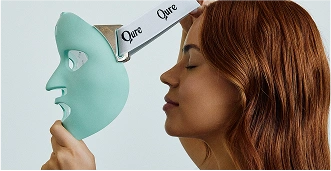
- Red light session (per your device instructions): Put on your red light mask and run one full session exactly as directed. Keep your eyes closed and use any included eye protection if recommended.
- Apply your treatment serum: Follow with a lightweight, supportive formula like Qure's anti aging serum.
- Lock in moisture: Finish with your moisturizer to support the skin barrier and reduce the chance of post-session dryness.
If your skin is reactive, keep the rest of your routine calm on treatment days and avoid stacking strong exfoliants right after your session.
When To Expect Results From Red Light Therapy
Most people notice early “glow and calm” changes in two to four weeks, while texture and fine lines typically take six to eight weeks of consistent use.
In the first few weeks, improvements tend to show up as subtle but meaningful “look and feel” shifts. Skin may appear calmer, more even, or slightly brighter.
More structural-looking changes take longer. Smoother texture and visible softening of fine lines usually require at least six to eight weeks of regular sessions. Results also vary based on the delivered dose, which is why following the manufacturer's recommended timing matters more than adding extra minutes.
To track progress clearly, keep your variables stable. Use the same cleanser and moisturizer, avoid swapping actives every week, and take monthly photos in the same lighting and angle.

Integrating Red Light Therapy With Advanced At-Home Treatments
Red light therapy pairs best with routines that stay barrier-aware. If you combine modalities, the goal is to avoid stacking irritation.
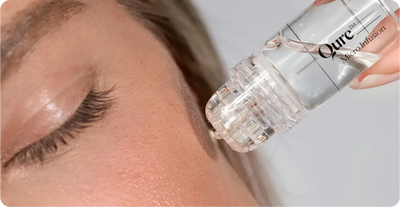
For example, our micro infusion facial system and targeted micro dart patches focus on topical delivery rather than light exposure, so pairing can make sense when spaced thoughtfully and kept gentle.
After sessions, many sensitive-skin users prefer soothing, low-reactivity support. Qure's hypochlorous acid spray fits naturally here as a comfort-first step.
Frequently Asked Questions
Does Red Light Therapy Help With Wrinkles And Fine Lines?
Red light therapy supports skin processes associated with firmness and smoothness. With consistent use, many users notice a gradual softening of fine lines, though results depend on device quality and routine adherence.
Can You Use Red Light Therapy On Your Face Every Day?
FDA-cleared devices are designed for frequent use, but daily sessions should follow manufacturer guidelines. More is not better, and skin benefits from predictable, moderate exposure.
Should You Use Red Light Therapy Before Or After Skincare Products?
Most protocols recommend using red light therapy on clean, dry skin, then applying serums or moisturizers afterward. This order maximizes light exposure and preserves product integrity.
Conclusion
Red light therapy routines can be a measured, science-backed way to support smoother, calmer-looking skin without needles, downtime, or barrier disruption. The difference is not hype or “more minutes,” it is choosing a device built for consistent, repeatable use, then giving it enough time to work.
At Qure, we design at-home technology to feel as clinically credible as it is easy to follow.
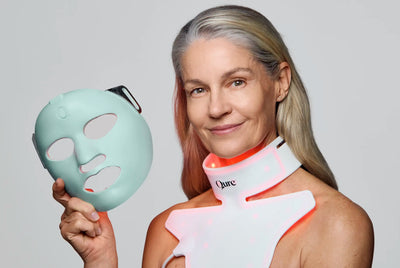
Our devices are FDA-cleared and dermatologist-approved, engineered with sensitive skin in mind. If you want a face-first option that makes consistency simple, start with our red light mask, then extend your routine to the neck and chest with the red light neck mask where visible aging often shows early.
Read more about targeted skincare topics:
Most Popular Posts
-
 #Skin
#Skin
What You Eat Can Reduce Premature Aging by...
-
#Skincare
Beauty Sleep Is Real!
-
#LED Light Therapy
Hack your skincare to match your menstrual cycle
-
#Skin
Ice Bath Facial: the affordably cool hack that...
-
#Skincare
5 Ways To Prevent Premature Ageing
-
#Skincare
Glow Up for the Holidays: Radiant Skin Tips...
-
#LED Light Therapy
Shining Light On Sun-Damaged Skin
-
#LED Light Therapy
How LED Therapy Can Transform Your Skin
-
#Skin
How Cortisol Affects the Skin: The Stress-Skin Connection...
-
#Skin
The Hidden Toll of Smoking on Your Skin:...


