
Stretch marks can feel unfairly permanent. One month your skin looks smooth, then a set of lines appears on your hips, stomach, thighs, or breasts and refuses to fade on your schedule.
They can catch the light in a way that makes texture look uneven, and they often feel different than the surrounding skin – thinner, slightly indented, or less “springy” to the touch.
Red light therapy stretch marks care has become a popular next step for people who want meaningful improvement without aggressive procedures.
Can Red Light Therapy Reduce Stretch Marks?
Yes, red light therapy may help reduce the appearance of stretch marks over time, especially in texture and tone, but it does not completely erase them.
That distinction matters. Stretch marks are a form of dermal change, not surface discoloration that can simply fade in a week. Red light therapy can support skin remodeling processes that make stretch marks look softer and less noticeable, but it will not remove them like a surgical procedure.
What red light therapy can realistically improve includes:
-
Texture: smoother, less “etched” appearance
-
Tone: reduced contrast compared to the surrounding skin
-
Overall blending: stretch marks may look less obvious in natural light
Evidence is still evolving, and results vary depending on the device used, the type of stretch mark, and the consistency of the routine.
In other words, the technology is promising, but the outcome depends on how you use it and how your skin responds.

How Red Light Therapy Works On Stretch Marks
Red light therapy falls under a broader category called photobiomodulation, which refers to using low-level red and near-infrared light to support cellular function without heat injury or tissue damage. It is not resurfacing. It does not “burn off” the mark. It works by supporting the biology underneath.
In skincare research, red light therapy commonly focuses on wavelengths in ranges like:
-
Red light: roughly 620–670 nm (often around 630 nm or 660 nm)
-
Near-infrared light: roughly 800–900 nm (often around 830 nm or 850 nm)
This is the same reason a consistent red light therapy face routine can support smoother-looking texture over time; the goal is steady cellular support, not aggressive turnover.
Cellular Energy Support and Repair Signaling
Stretch marks involve changes in the dermis, where collagen and elastin help skin stretch and rebound. Photobiomodulation is often discussed in terms of how light energy supports cellular activity, particularly the pathways involved in maintaining and repairing skin structure.
In simple terms, red light helps skin cells do their jobs more efficiently. When your routine supports consistent cellular function, skin tends to look healthier over time.
Collagen and Elastin Support for Texture Improvement
Stretch marks often feel different from the surrounding skin. They can look crepey, thin, or slightly depressed. These characteristics connect to underlying structural differences, including collagen organization and elastin changes.
Red light therapy is often used to support a gradual improvement in skin texture by encouraging an environment that supports healthy collagen behavior.
This is one reason people compare it to professional treatments like microneedling or lasers, even though the mechanisms and intensities differ.

Why Red and Near-Infrared Are Often Used Together
Red light is commonly used to support the look of surface-level skin tone and texture, while near-infrared is often chosen because it can reach deeper tissue layers that influence how skin looks over time.
With stretch marks, that pairing matters because the visible line reflects deeper dermal changes, not just surface discoloration.
A quality device should clearly disclose its wavelength range and give you a consistent dosing schedule you can realistically follow.
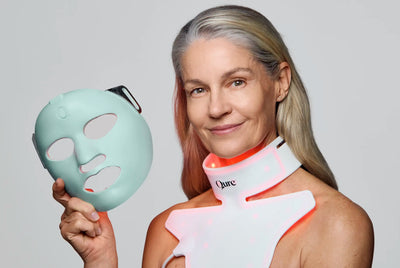
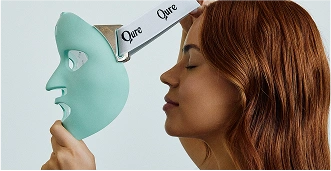
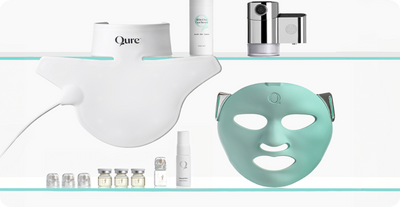
For example, Qure’s red light mask includes 630 nm (red), 660 nm (deep red), and 880 nm (infrared) in its rejuvenating mode. Alongside amber and blue for broader skin concerns, which makes it a versatile option when you want regular, repeatable LED support.
New Stretch Marks Vs Old Stretch Marks (Why Results Differ)
Stretch marks are not all the same, and the “age” of the mark changes what improvement can look like.
Understanding this difference helps set realistic expectations, which is essential for satisfaction with any stretch mark routine.
New Stretch Marks: Striae Rubrae
Newer stretch marks are often red, pink, or purple. Clinically, these are called striae rubrae. They may be slightly raised, itchy, or more noticeable because of visible blood vessel activity and inflammation in the area.
These marks often respond better to early intervention because the skin is still actively changing. When you support skin function consistently, newer marks may blend more effectively over time.
Older Stretch Marks: Striae Albae
Older stretch marks often turn white, silvery, or pale compared to surrounding skin. These are called striae albae. At this stage, the mark is typically more stable, and the structural changes have matured.
That does not mean treatment is pointless. It means the goal should shift. With older stretch marks, improvement often looks like:
-
Softer texture
-
Better blending in certain lighting
-
Less noticeable edges
-
Skin that looks more even overall
Older stretch marks usually require more time and consistency, and may improve more subtly compared to newer marks.

How To Use Red Light Therapy For Stretch Marks
To get meaningful results, treat stretch marks like a routine, not an occasional experiment. The best results come from steady exposure over time, using a device you will actually stick with.
Here is a clear, repeatable protocol:
-
Cleanse the treatment area: Use a gentle cleanser or body wash, then rinse thoroughly. Avoid scrubs right before a light session.
-
Pat skin completely dry: Dry skin improves comfort and consistency.
-
Position your device consistently: Whether you’re treating hips, thighs, stomach, or arms, keep distance and angle consistent from session to session.
-
Run one full session as directed: Session times vary by device. The safest guidance is always the manufacturer’s instructions, because the dose depends on the device output and exposure time.
-
Apply skincare after treatment: Use a barrier-supportive moisturizer, then layer targeted products if tolerated.
A Structured Red Light Therapy Routine For Overall Skin Support
Stretch marks are one piece of the picture, but skin quality is cumulative. A targeted red light routine lets you stay consistent across your most delicate zones, supporting smoother texture and more even tone over time without turning your schedule into a project.
1. Face Care, Where Skin Changes Show Early
Add a face session right after your body session, so it becomes one habit. Qure’s red light mask is an easy way to stay consistent on the face, especially if your goals include smoother texture and a more even-looking tone.
2. Neck and Chest Red Light Therapy, The Areas Most Prone To Sun Damage
If you’re working on full-body confidence and support, the neck and chest matter more than you’d think. Skin here often shows early laxity and texture shifts, and it’s also an area people forget until changes feel more noticeable.
Our red light neck mask makes it simple to treat the neck and chest regularly without extending your routine too much.
3. Keep Skin Calm So You Can Stay Consistent
The fastest way to derail progress is irritation. Keep the routine gentle, moisturize after sessions, and avoid stacking a lot of exfoliation or strong actives on treatment days.
If you’re sensitive or easily reactive, a hypochlorous acid spray can help keep skin comfortable so you can stick with your schedule.

When To Expect Results And What Improvement Looks Like)
Most people need eight to 12+ weeks of consistent use before they see meaningful improvement in stretch marks. Skin remodeling is slow, and stretch marks are a structurally different tissue.
Early changes tend to be subtle but encouraging:
-
Skin looks calmer and more even
-
Stretch marks look slightly less “sharp” at the edges
-
The area may look smoother in certain lighting
More noticeable improvements usually take longer, including:
-
Reduced visibility of the mark overall
-
Better blending in tone
-
Texture refinement and smoother appearance
A practical way to track results is monthly photos in the same lighting and position. Stretch marks can look very noticeable one day and invisible the next, depending on shadows and skin hydration, so consistency matters.
What Works Best With Red Light Therapy
Red light therapy is not the only tool, but it can be a strong foundation because it is low irritation for many users. Pairing treatments can improve outcomes, but only when you keep skin stable.
Barrier Support and Moisture
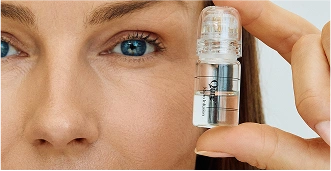
Hydration does not erase stretch marks, but it can improve how they look. Well-moisturized skin reflects light more evenly and feels smoother. After sessions, follow with a moisturizer, then consider a targeted product like Qure’s anti aging serum if your skin tolerates it well.
Gentle Exfoliation, If Tolerated
If your skin tolerates mild exfoliation, it can support a smoother surface texture. The key is not stacking too many stressors. If you exfoliate, do it on non-treatment days or at a lower frequency, especially if you have sensitive skin.

Professional Options People Compare Against
In dermatology, stretch marks are often treated with:
-
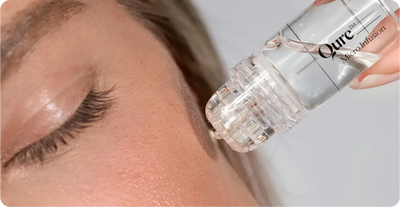
Microneedling
-
Fractional lasers
-
Radiofrequency-based approaches
These options can offer stronger results but often involve higher cost, downtime, and greater irritation risk.
Red light therapy can serve as a home-based, supportive option and complement professional care when appropriately guided.
The most important rule is not stacking aggressive treatments without a plan. More intensity is not always better, especially when you want skin to remodel, not inflame.
Conclusion
Red light therapy stretch marks routines can be a meaningful, science-backed way to support smoother texture and more even tone over time, especially when the marks are newer, and the routine is consistent.
The best results come from steady use over weeks and months, realistic expectations, and a skin-supportive approach that avoids over-aggressive stacking.
At Qure, we design clinical-quality skincare technology for people who want results without irritation.
Our devices are FDA-cleared and dermatologist-approved, designed for sensitive skin, and built for real-life consistency. If you want a face-first LED routine that’s easy to maintain, start with our red light mask.
For extended coverage and long-term support beyond the face, our red light neck mask helps you stay consistent where texture changes often show early.
Read more about targeted skincare topics:
Most Popular Posts
-
 #Skin
#Skin
What You Eat Can Reduce Premature Aging by...
-
#Skincare
Beauty Sleep Is Real!
-
#LED Light Therapy
Hack your skincare to match your menstrual cycle
-
#Skin
Ice Bath Facial: the affordably cool hack that...
-
#Skincare
5 Ways To Prevent Premature Ageing
-
#Skincare
Glow Up for the Holidays: Radiant Skin Tips...
-
#LED Light Therapy
Shining Light On Sun-Damaged Skin
-
#LED Light Therapy
How LED Therapy Can Transform Your Skin
-
#Skin
How Cortisol Affects the Skin: The Stress-Skin Connection...
-
#Skin
The Hidden Toll of Smoking on Your Skin:...


