How Many Microneedling Sessions Do You Need for Results?

Written by Our Editorial Team
6 min read
How many microneedling sessions do you need before you see a real difference in your skin? That's the question we hear most from people considering this treatment.
The honest answer? It depends on your skin, your goals, and whether you're doing it in-clinic or at home.
In our experience with at-home devices like our Micro Infusion System, most people notice a first hint of glow within a day or two. Lasting change, like smoother texture or fewer fine lines, takes a series of sessions spaced out over weeks though.
In this guide, we'll break down exactly how many microneedling sessions you'll likely need, what changes that number, and how to plan a schedule that actually works for your skin.
What this article covers:
- What Is Microneedling and How Does It Work?
- How Many Microneedling Sessions Will You Need?
- What Factors Influence Your Treatment Plan?
- Typical Results from Multiple Sessions
- Why Spacing Between Sessions Matters
- Aftercare and Maintenance Tips for Long-Term Results
- Frequently Asked Questions
What Is Microneedling and How Does It Work?
Microneedling uses fine needles to create tiny, controlled punctures in your skin. Those micro-injuries trigger your body's natural healing response, which links to increased collagen and elastin production.
The American Academy of Dermatology also recognizes microneedling as an effective way to improve the look of scars and uneven texture.
How long does microneedling take? Most in-clinic sessions take 30 to 45 minutes, depending on the areas you're treating.
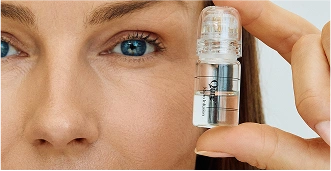
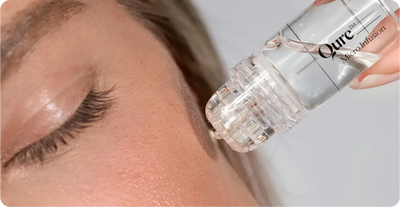
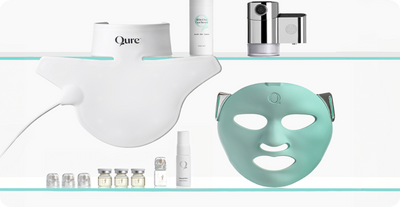
Professional treatments tend to penetrate more deeply, but at-home devices offer a gentler way to incorporate microneedling into your routine. Qure's Micro-Infusion System uses 24K gold-plated needles to create shallow micro-channels while delivering serum directly to the skin.
While an at-home device will not correct a concern overnight, regular use may help improve the appearance and feel of fine lines, rough texture, and other common skin concerns.

How Many Microneedling Sessions Will You Need?
The number of sessions you need really comes down to what you're treating. Mild concerns often respond faster, while deeper scarring needs more patience. Here's a rough breakdown based on what dermatologists and estheticians typically recommend.
For Mild Concerns (Fine Lines, Pores, and Texture)
If you're mainly dealing with fine lines, slightly enlarged pores, or rough texture, you're likely looking at 3 to 4 sessions. Most people space these 4 to 6 weeks apart for in-clinic treatments.
With Qure's Micro Infusion, we've found that using it every two weeks works well for this level of concern, since the at-home version is gentler on the skin. You'll usually notice softer-looking texture within the first few sessions.
For Moderate Concerns (Acne Scars and Uneven Tone)
Acne scarring and uneven skin tone take a bit longer to shift. Expect somewhere between 4 and 6 sessions for visible improvement. Your skin needs time to rebuild between treatments, so don't rush the schedule.
Sticking to a steady routine, whether that's monthly in-clinic visits or Micro Infusion sessions every two weeks, tends to produce more even-looking results over time.
For Advanced Concerns (Deep Scars and Skin Laxity)
Deeper scars, like ice-pick or boxcar acne scars, and skin laxity often need 6 or more sessions. Some people continue treatments for a year or longer to maintain results.
What Factors Influence Your Treatment Plan?
Session counts are never one-size-fits-all. A few key factors decide how many treatments you'll actually need, and how your skin responds along the way.

Your Skin Type and Age
Older skin, or skin with less natural elasticity, tends to need more sessions to see the same level of change.
Sensitive skin types may also need extra spacing between treatments to avoid irritation.
Thinner or more reactive skin may do best with gentler, at-home options like Micro Infusion, which causes less trauma than traditional microneedling.
The Concern You're Targeting
Surface-level concerns respond faster than deep structural changes. Fine lines and dullness often show improvement sooner than deep acne scarring or significant skin laxity. Knowing exactly what you're targeting helps you, and your provider if you're going in-clinic, set realistic expectations from the start.
Your Overall Skin Health and Lifestyle
Sun exposure, smoking, and poor hydration can all slow down your skin's healing process. Keeping up with sunscreen and drinking enough water helps your skin recover faster between sessions. A healthy lifestyle won't replace treatment, but it definitely supports your results.
Typical Results from Multiple Sessions
Most people start noticing subtle changes after their very first session, things like a brighter, more refreshed look. The bigger changes, like smoother texture and softer fine lines, tend to show up gradually over multiple treatments.
In our own clinical evaluation of the Micro Infusion System, 93% of participants noticed results the very next day, and 70% reported smoother-looking fine lines after a series of treatments.
Individual results vary, and there's no guarantee of an exact timeline, but consistency really is the biggest factor here. Think of each session as building on the last one, rather than expecting one treatment to do all the work.

Why Spacing Between Sessions Matters
Your skin needs time to heal and rebuild collagen between sessions, so treating too often can backfire.
In-clinic microneedling is usually spaced 4 to 6 weeks apart to let your skin fully recover.
If you're curious about “how long does microneedling take to heal,” most in-clinic treatments need several days of visible recovery before skin looks normal again, according to the American Society for Dermatologic Surgery.
Qure's Micro Infusion works differently, since the needles are finer and the treatment is gentler, so we recommend using it every 2 weeks instead.
Cramming sessions too close together won't speed up results. It just increases your risk of irritation and doesn't give your skin the time it needs to actually respond.
Aftercare and Maintenance Tips for Long-Term Results
Good aftercare protects the results you're working toward, so don't skip it. Stay out of direct sun and skip makeup for at least 24 hours after any session. If you're wondering how long after microneedling can you wear makeup, the safe answer is to wait a full day, and even then, stick with mineral-based, fragrance-free formulas.
Keep your skin hydrated with a gentle serum and moisturizer, and hold off on retinoids or exfoliating acids for a few days.
Sunscreen is non-negotiable, since freshly treated skin is more vulnerable to UV damage.
For in-clinic microneedling, most people finish their initial series, then shift to an occasional maintenance session, sometimes just once a year, to keep results looking fresh.
With Qure's Micro Infusion, there's no tapering off: since it's gentler on the skin, we recommend sticking with a session every 2 weeks, even after you've hit your initial goals.

Conclusion
So, how many microneedling sessions do you actually need? For most people, it's somewhere between 3 and 6 sessions, depending on what you're targeting and how your skin responds. Mild concerns need less time, while deeper scarring or laxity takes a longer, steadier approach.
From our experience, the key isn't rushing the process. It's sticking with a consistent schedule and giving your skin the recovery time it needs between treatments. Once you hit your goals with in-clinic treatments, you'll likely taper down to occasional maintenance visits.
If you'd rather skip the clinic visits altogether, Qure's Micro Infusion System offers a gentler, at-home alternative you can use every two weeks, with far less downtime.
Pair it with a hydrating serum, and you've got a simple routine that supports your skin's natural collagen production over time.
Ready to start your own routine? Check out the Micro Infusion System and see how it fits into your skincare goals.
Frequently Asked Questions
Will 3 Microneedling Sessions Make a Difference?
Yes, three sessions can make a visible difference, especially for mild concerns like fine lines or slightly rough texture. You likely won't see dramatic change, but many people notice a brighter, smoother look after just a few treatments.
Is 40 Too Old for Microneedling?
Not at all. Microneedling works well for most adult skin types and ages, including skin over 40. Some people over 40 may actually see more noticeable improvement, since their skin often shows more visible signs of collagen loss to begin with.
How Will Your Skin Look 2 Days After Microneedling?
Two days after in-clinic microneedling, you might still notice some redness or mild sensitivity. With Qure's Micro Infusion, most people feel back to normal within 24 hours, thanks to the gentler needle depth and shorter recovery window.
How Often Do You Really Need Microneedling?
Once your initial series is done, most people stick with a maintenance session every 1 to 3 months. This keeps collagen production steady and helps you hold onto your results long-term.
Most Popular Posts
-
 #Skin
#Skin
What You Eat Can Reduce Premature Aging by...
-
#Skincare
Beauty Sleep Is Real!
-
#LED Light Therapy
Hack your skincare to match your menstrual cycle
-
#Skin
Ice Bath Facial: the affordably cool hack that...
-
#Skincare
5 Ways To Prevent Premature Ageing
-
#Skincare
Glow Up for the Holidays: Radiant Skin Tips...
-
#LED Light Therapy
Shining Light On Sun-Damaged Skin
-
#LED Light Therapy
How LED Therapy Can Transform Your Skin
-
#Skin
How Cortisol Affects the Skin: The Stress-Skin Connection...
-
#Skin
The Hidden Toll of Smoking on Your Skin:...


