How Long Does Microneedling Take to Heal

Written by Our Editorial Team
6 min read
If you're asking yourself “how long does microneedling take to heal,” you've probably just left an appointment. Or maybe you're still deciding whether to book one. Either way, it's a fair question. Your face can look flushed, tight, and a bit shiny right after treatment, and that catches a lot of people off guard.
Here's the good news. Full surface healing usually happens within about a week. Your skin keeps improving underneath for months after that.
In our experience helping people build safer, more convenient skincare routines, we've found that most of the worry comes from not knowing what counts as normal. So below, we'll walk through the healing timeline, what affects recovery speed, and how to help your skin bounce back comfortably.
What this article covers:
- What Is Microneedling?
- Microneedling Healing Timeline
- What Factors Affect Microneedling Recovery Time?
- Is Microneedling Painful?
- How Long Does It Take to See Results From Microneedling?
- How Many Microneedling Sessions Do You Need?
- Microneedling Aftercare Tips to Help Your Skin Heal Faster
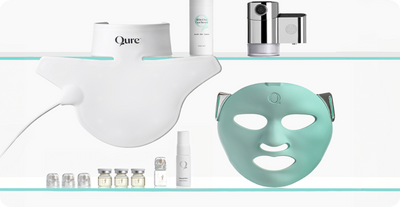
- A Gentler Alternative: Qure's Micro-Infusion System
- Frequently Asked Questions
What Is Microneedling?
Microneedling is a cosmetic treatment that uses fine needles to create tiny, controlled injuries in your skin. Those micro-injuries trigger your body's natural repair response, which can help boost collagen and elastin production.
Over time, this process may help improve the look of fine lines, acne scars, and uneven texture.
Traditional microneedling is usually done in a dermatology clinic with needles that go deeper than the ones found in at-home tools. That depth difference plays a big role in how long your skin needs to recover, which we'll get into shortly.
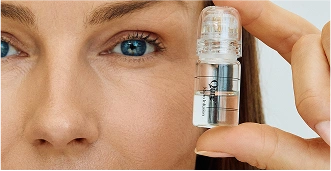
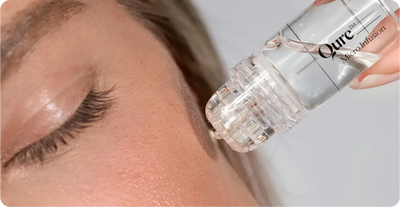
Qure's Micro-Infusion System works on a similar idea, but with 24K gold-plated needles just 0.5mm long. That's much shorter than what's typically used in-clinic. It creates gentle micro-channels instead of deeper controlled trauma, which is a big part of why the recovery experience looks so different.
Microneedling Healing Timeline
Healing isn't instant, but it moves faster than most people expect. Below is a general timeline based on dermatology sources and what we've seen with our own customers.
Keep in mind that everyone's skin is different, and deeper clinical treatments often take a bit longer than gentler, at-home options like Qure's Micro-Infusion System.

Days 0 to 2: Redness and Swelling
Right after treatment, skin often looks flushed and feels warm. Think mild sunburn. Swelling is common, especially around the cheeks and forehead.
This usually peaks within 24 to 48 hours, then starts to calm down.
With Qure's Micro-Infusion, this stage tends to be much milder. Most customers notice mild sensitivity rather than visible swelling. Many people reach this "back to normal" point within 24 hours.
Days 3 to 5: Peeling and Flaking
Your skin may start to peel or flake lightly as it sheds older surface cells. Try not to pick at it. Let it happen on its own, and keep your skin moisturized so the flaking feels less obvious.
Week One: Skin Starts to Settle
By day five to seven, most people look pretty normal again. Redness fades, texture smooths out, and makeup sits better on the skin. Some mild sensitivity can stick around a bit longer, depending on skin type.
Weeks 2 to 4: Deeper Healing Continues
Even once your skin looks healed on the surface, collagen production keeps working underneath. This is usually when texture, tone, and fine lines start showing real improvement.
Months 1 to 6: Long-Term Results
New collagen keeps forming for up to six months after treatment. That's part of why microneedling works best as a series, not a one-time thing.
Because Micro-Infusion is gentle enough to use every two weeks, it's easier to stay consistent with a series without needing extended breaks between sessions.

What Factors Affect Microneedling Recovery Time?
Healing time isn't identical for everyone. A handful of variables decide whether you're back to normal in five days or closer to two weeks. Here's what can make a difference:
- Skin sensitivity: Reactive or thin skin often takes a bit longer to calm down.
- Aftercare habits: Skipping sunscreen or picking at your skin can slow healing and cause irritation.
- Needle depth: Deeper clinical needles create more trauma than gentler at-home tools, which means more downtime.
- Lifestyle: Smoking, alcohol, and poor sleep can slow your skin's natural repair process.
- Age: Collagen production naturally slows with age, so healing may take a touch longer.
- Frequency of treatments: Booking sessions too close together doesn't give your skin time to fully recover.
- Hydration levels: Well-hydrated skin tends to heal faster and flake less.
- Skin type: Oily, dry, and combination skin all respond a little differently.
- Overall skin condition: Already irritated or compromised skin needs extra time to bounce back.
A few of these factors, like needle depth and frequency, come down to the tool you're using just as much as your skin itself. That's a big part of why Micro-Infusion users see a shorter, gentler recovery compared to in-clinic treatments.
Is Microneedling Painful?
Most people describe microneedling as more uncomfortable than painful, especially with numbing cream.
You might feel a mild prickling or scratching sensation depending on needle depth and the area being treated. Thinner skin, like around the eyes, tends to feel more sensitive.
From what we've seen with Qure customers, at-home tools with shorter needles feel virtually painless for most people, though everyone's tolerance is a little different.
How Long Does It Take to See Results From Microneedling?
Some people notice a subtle glow within a day or two. That's mostly from increased blood flow, not new collagen.
Real changes in texture, tone, and fine lines usually show up over six to eight weeks as collagen rebuilds.
For deeper concerns like acne scars, results can take a few months and several sessions to really show.

In our own testing of the Micro-Infusion System, many users reported noticing a difference in their skin's look and feel the very next day, with fuller results building over several weeks of consistent use.
Think of it less like a quick fix and more like a slow-building investment in your skin.
How Many Microneedling Sessions Do You Need?
Most people also ask how many microneedling sessions they'll actually need before booking a first appointment.
For general texture and glow, three to six sessions spaced four to six weeks apart tend to work well. Acne scars or deeper wrinkles often need more sessions to show a real difference.
If you're using an at-home option like Qure's Micro-Infusion, treatments every two weeks tend to fit nicely into a routine without over-treating your skin.
How long does microneedling take? In a clinic setting, sessions often run 30 to 90 minutes, plus downtime afterward.
Qure's at-home Micro-Infusion System, on the other hand, takes just a few minutes and you don't have to go anywhere to do it.
Microneedling Aftercare Tips to Help Your Skin Heal Faster
Good aftercare can make a real difference in how fast, and how comfortably, your skin heals. These are the basics to follow but always follow your dermatologist or aesthetician's advice if you're getting in-clinic treatments:
- Avoid makeup for at least 24 to 48 hours: this gives your skin's micro-channels time to close. If you're wondering “how long after microneedling can I wear makeup,” most people wait a full day or two to be safe.
- Apply a gentle moisturizer and hydrating face serum: this supports your skin barrier while it repairs itself.
- Protect your skin with sunscreen: even on cloudy days, since healing skin is more sensitive to UV exposure.
- Avoid sweating and strenuous activity: skip intense workouts, saunas, and steam rooms for a few days.
- Say no to exfoliation: hold off on retinol, acids, and scrubs for at least a week. With Micro-Infusion, most people can reintroduce mild actives after 2 to 3 days.
- Be patient: healing takes time, and rushing the process usually backfires.

A Gentler Alternative: Qure's Micro-Infusion System
Qure's Micro-Infusion System is a gentle, at-home alternative with minimal to no downtime, so a treatment fits easily into your nighttime routine in just a few minutes.
Traditional microneedling and Qure's Micro-Infusion aren't quite the same thing, even though they work in a similar way.
Traditional microneedling is a predominantly in-clinic treatment with bigger needles and a longer recovery window. Micro-Infusion uses shorter needles and creates gentle micro-channels instead.
|
Traditional Microneedling |
Qure Micro-Infusion |
|
More skin trauma |
Gentle micro-channels |
|
3 to 5 days recovery |
24-hour mild sensitivity |
|
In-office risk of over-treatment |
Controlled at-home use |
|
Higher risk of irritation |
Low sensitivity with proper care |
Our Micro-Infusion System helps improve the look of fine lines and helps smooth the feel of skin texture, without the longer downtime that comes with traditional microneedling.
Conclusion
Most people heal from microneedling within about a week. Expect redness and swelling for the first couple of days, some light peeling by day three, and smoother-looking skin by day five to seven. Collagen keeps rebuilding for months after that, which is why results improve gradually rather than overnight.
Good aftercare, sun protection, and proper spacing between sessions all help you get the most out of the treatment.
If you'd rather try a gentler option with less downtime, our Micro-Infusion System offers a similar experience from the comfort of your own home. Whichever route you choose, give your skin the time it needs to do its thing.
Frequently Asked Questions
How Long Does Skin Peel After Microneedling?
Peeling usually starts around day three and tapers off by day five. It's part of your skin shedding older cells as new ones surface underneath.
Micro-Infusion is designed with minimal to no downtime, so this peeling stage generally isn't part of the experience.
What Is the Recovery Time After Microneedling?
Most people are fully healed within five to seven days. Deeper treatments or larger treatment areas can take a little longer. Micro-Infusion users usually see mild sensitivity fade within 24 hours instead.
How Soon Can You Pop Pimples After Microneedling?
We'd recommend holding off entirely until your skin has fully healed, roughly a week. Even then, popping pimples can lead to scarring or infection so it's better to use a spot treatment or pimple patch.
What Does Your Face Look Like 2 Days After Microneedling?
By day two, your face is often still a little pink, but visibly calmer than day one. Skin might feel tight and slightly dry. Some light flaking can start to show up around this point too.
How Long After Microneedling Does Skin Go Back to Normal?
Most skin looks and feels normal again within five to seven days. Any lingering redness or sensitivity should fade by around two weeks. With Micro-Infusion, that "back to normal" window is usually closer to 24 hours.
Is 2 Sessions of Microneedling Enough?
Two sessions can give you a nice refresh, especially for dullness or mild texture concerns. Deeper wrinkles or acne scars usually call for three to six sessions. With Micro-Infusion, treating every two weeks makes it easy to build a consistent series over time.
What Helps Microneedling Heal Faster?
Staying hydrated, using a gentle moisturizer, and avoiding sun exposure all support faster healing. Skipping harsh actives for a few days and leaving your skin alone helps too. Choosing a gentler at-home tool, like Qure's Micro-Infusion, can shorten the whole recovery window from the start.
Most Popular Posts
-
 #Skin
#Skin
What You Eat Can Reduce Premature Aging by...
-
#Skincare
Beauty Sleep Is Real!
-
#LED Light Therapy
Hack your skincare to match your menstrual cycle
-
#Skin
Ice Bath Facial: the affordably cool hack that...
-
#Skincare
5 Ways To Prevent Premature Ageing
-
#Skincare
Glow Up for the Holidays: Radiant Skin Tips...
-
#LED Light Therapy
Shining Light On Sun-Damaged Skin
-
#LED Light Therapy
How LED Therapy Can Transform Your Skin
-
#Skin
How Cortisol Affects the Skin: The Stress-Skin Connection...
-
#Skin
The Hidden Toll of Smoking on Your Skin:...


