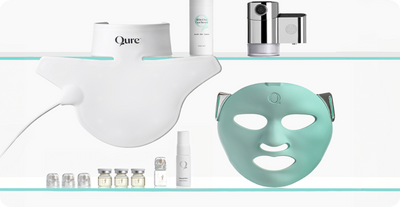

The Qure LED mask vs Dr Dennis Gross mask is a common comparison for anyone weighing up at-home light therapy devices. Both are FDA-cleared. And both promise smoother, calmer skin.
So the choice isn't obvious.
When comparing, we can tell you that the details that matter the most are wavelength range, comfort, and how easily a device fits into your actual routine.
Below, we'll walk through specs, benefits, and the trade-offs between these two masks.
What this article covers:
- Qure LED Mask Overview
- Dr Dennis Gross FaceWare Pro Overview
- Qure LED Mask vs Dr Dennis Gross FaceWare Pro: Side by Side Comparison
- Which One Should You Choose?
- Frequently Asked Questions
Qure LED Mask Overview
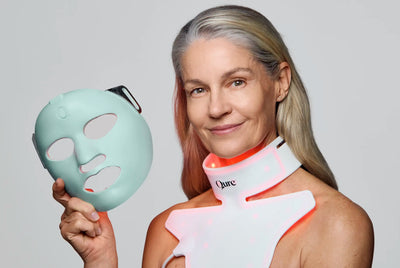
Our Q-Rejuvalight Pro LED mask runs on five separate light wavelengths, which puts it ahead of most single or dual-light devices on the market. It's great for daily use and is designed with comfort in mind for repeat sessions.
When used consistently, Qure's red light therapy mask helps you maintain a radiant complexion without the price tag and hassle of clinic visits.
Features and Specs
The mask uses five wavelengths: 415nm blue, 605nm amber, 630nm red, 660nm deep red, and 880nm infrared, delivered through 160 dual core LEDs.
Each session takes just 3 minutes, and the device runs wireless and hands-free.
You can choose between two pre-set modes, Skin Rejuvenating and Skin Clearing, or customize each of five facial zones through the Qure app.
The mask is FDA-cleared and clinically validated to help improve the appearance of wrinkles and mild to moderate inflammatory acne.
It's suitable for all skin types although skin types V and VI on the Fitzpatrick scale may be more sensitive to the effects of light. Because of this, we recommend that those with darker skin tones consult with a dermatologist before using a red light therapy mask.

Benefits
- Five wavelengths cover more skin concerns than most two-light masks
- App control lets you personalize treatment by facial zone
- Quick 3-minute sessions fit easily into a morning or night routine
- No downtime
- Automatic shut-off after sessions
- Cleared for eye safety and comes with free light blocking protective eyewear
Dr Dennis Gross FaceWare Pro Overview
The DRx SpectraLite FaceWare Pro is a rigid, full-face design that combines red and blue LEDs in one device, with three treatment modes to pick from.
Features and Specs
This mask uses up to 100 lights across four wavelengths: 415nm blue, 605nm amber, 630nm red, and 880nm near infrared.
Sessions run for 3 minutes, and the mask shuts off automatically once the timer ends.
You get three modes: red for aging concerns, blue for acne, or a combined mode for both.
There's no app and no zone customization, so you pick a mode and go.
It's FDA-cleared and marketed for wrinkles, breakouts, redness, and uneven tone. The rigid shell sits against the face using an adjustable strap.
Benefits
- Straightforward, no app or setup required
- Four wavelengths covering aging, acne, and tone in one device
- Auto shut-off keeps every session consistent
Qure LED Mask vs Dr Dennis Gross FaceWare Pro: Side by Side Comparison
This is where the two masks really start to differ. The biggest gaps are wavelength range, fit, and how much control you get over your own routine.
|
Feature |
Qure Q-Rejuvalight Pro |
Dr Dennis Gross DRx SpectraLite FaceWare Pro |
|
Wavelengths |
415nm, 605nm, 630nm, 660nm, 880nm |
415nm, 605nm, 630nm, 880nm |
|
Treatment Time |
3 minutes |
3 minutes |
|
Modes |
Skin Rejuvenating, Skin Clearing, custom zones |
Red, blue, combo |
|
App Control |
Yes |
No |
|
Design |
Soft, flexible silicone |
Rigid shell |
|
Operation |
Wireless, hands-free with strap |
Wireless, hands-free with strap |
|
FDA Cleared |
Yes |
Yes |

Key Differences
Wavelength range is one of the smaller gaps between these two masks. Both cover blue, amber, red, and near infrared light, and both target aging and acne-related concerns.
The main difference is Qure's deep red channel, which the FaceWare Pro doesn't include. It still covers most of the same ground, using two of the most studied wavelengths in LED light therapy: red for collagen support and blue for acne-causing bacteria.
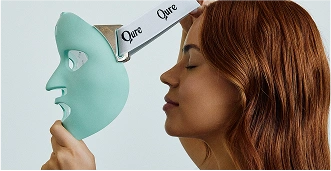
Fit is another difference. Our mask uses soft silicone that sits comfortably on your face, while the FaceWare Pro's rigid shell can press on certain areas depending on your face shape.
App control is something else to consider. Some people want a plug-and-play device with zero decisions to make. Others want to dial in treatment by zone, and right now, that level of customization is unique to Qure.
Which One Should You Choose?
If you want a no-fuss device with two proven wavelengths and don't mind a rigid fit, the Dr Dennis Gross FaceWare Pro gets the job done.
If you want more coverage, a flexible fit, and the option to personalize your sessions, our Q-Rejuvalight Pro mask is perfect for you.
Either way, consistency matters. Daily use over several weeks drives visible change, not a single session.
Conclusion
Both the Qure LED mask and the Dr Dennis Gross FaceWare Pro are legitimate, FDA-cleared options for at-home light therapy. The right pick depends on what you value most.
Choose Dr Dennis Gross if simplicity matters to you. Choose Qure if you want five wavelengths, app-based customization, and a softer fit that adapts to your face.
We designed our red light mask to bring clinical-grade tech home without the clinic price tag or the guesswork.
To finish off your routine, we'd also recommend pairing your sessions with a gentle, hydrating formula like our anti aging serum, applied right after your mask comes off.
If you're still comparing your options, check out more comparisons below:
Frequently Asked Questions
How long does it take to see results with an LED mask?
Most people notice subtle changes, like calmer or brighter-looking skin, within a few weeks. More visible changes in texture and fine lines usually take six to eight weeks of consistent daily use, based on research summarized by the American Academy of Dermatology.
Do you need to use an LED mask every day?
For the best results, yes. Both masks are designed for daily 3-minute sessions. Skipping days can slow down how quickly you notice changes.
Are LED masks safe for sensitive skin?
Generally, yes. LED light therapy doesn't use UV rays, so it's considered gentler than sun exposure, according to Cleveland Clinic. Still, people with photosensitivity or light-triggered conditions should check with a dermatologist first.
Most Popular Posts
-
 #Skin
#Skin
What You Eat Can Reduce Premature Aging by...
-
#Skincare
Beauty Sleep Is Real!
-
#LED Light Therapy
Hack your skincare to match your menstrual cycle
-
#Skin
Ice Bath Facial: the affordably cool hack that...
-
#Skincare
5 Ways To Prevent Premature Ageing
-
#Skincare
Glow Up for the Holidays: Radiant Skin Tips...
-
#LED Light Therapy
Shining Light On Sun-Damaged Skin
-
#LED Light Therapy
How LED Therapy Can Transform Your Skin
-
#Skin
How Cortisol Affects the Skin: The Stress-Skin Connection...
-
#Skin
The Hidden Toll of Smoking on Your Skin:...


