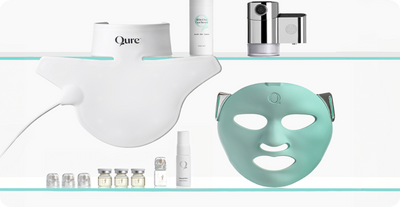

If you're on the hunt for the best LED face mask, you're not alone.
These devices promise clinic-level results without the appointment, the price tag, or the small talk in a waiting room.
But not every mask on the market does what it claims.
In our experience testing and developing LED technology at Qure, wavelength, coverage, and clinical backing make all the difference between a gimmick and a real skin treatment.
Below, we'll break down what LED therapy actually does, what to look for in a mask, and why we built the Q-Rejuvalight Pro the way we did.
What this article covers:
- The Best LED Face Mask
- What Is LED Therapy and How Does It Work?
- Are Home LED Masks as Effective as Professional Treatments?
- Are LED Face Masks Worth It?
- How to Choose the Right LED Face Mask for You
- LED Face Mask Usage Tips for Optimal Results
- Frequently Asked Questions
The Best LED Face Mask
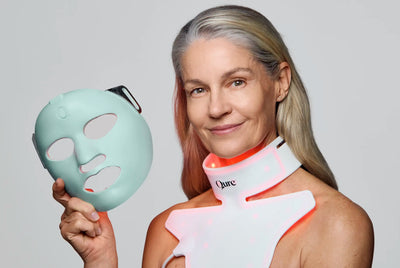
When we set out to build our own LED mask, we had one question in mind. How do we bring real clinical technology home without cutting corners? The answer became the Q-Rejuvalight Pro.
Our red light therapy mask uses five clinically studied wavelengths:
- infrared (880 nm)
- deep red (660 nm)
- red (630 nm)
- amber (605 nm)
- blue (415 nm)
They're delivered through 160 dual-core LEDs spread evenly across the mask, so light reaches your whole face at once instead of in patches.
It's FDA-cleared, and it also carries TGA, CE, and UKCA certification, which means it's met safety and performance standards in several major markets, not just one.
Sessions take just three minutes a day. It's quick, easy, and convenient!
The mask runs wireless and completely hands-free, so you can fold laundry, scroll your phone, or just sit still and relax while your skin gets treated.
It charges in about two hours and holds enough battery for several sessions, so you're not plugging it in every single day.
And unlike in-clinic visits, there's no per-session cost. You pay once, then it's yours to use, any time, from anywhere!

Two Modes for Different Skin Needs
We built two modes into the device.
Skin Rejuvenating combines infrared, deep red, red, and amber light to target fine lines, firmness, and overall tone.
Skin Clearing pairs blue and red light to help with the look of breakouts and the redness that tends to follow them.
Beyond the two presets, you can open the Qure app and customize treatment across five separate facial zones, so an area that needs more attention, like your forehead or chin, gets it.
The mask is designed for Fitzpatrick skin types I through IV, and in our clinical evaluation, 87% of users reported smoother-looking fine lines and wrinkles, 97% noticed improved tone and skin smoothness, and 83% saw a reduction in the look of acne breakouts.*
*As reported by customers in self-perception surveys and before-and-after images. Individual results may vary.
What Is LED Therapy and How Does It Work?
LED therapy sounds futuristic, but the science behind it is pretty simple. It's also called photobiomodulation, and it works by using specific wavelengths of light to support your skin's natural processes.
No needles, no heat damage, no downtime. Just light doing quiet work beneath the surface.
Red vs Blue Light
Not all light works the same way, and that's the first thing to understand.
Red light (usually around 620 to 670 nanometers) reaches the upper layers of skin, where it supports firmness and a smoother-looking texture over time. Blue light works closer to the surface and is typically used to help calm the look of breakouts.
Our Q-Rejuvalight Pro combines blue (415 nm) and red (630 nm) light in Skin Clearing mode, so it addresses both the appearance of blemishes and the redness that often comes with them. That combination is one reason dual-wavelength masks tend to outperform single-color devices.

Wavelengths
Wavelength is where a lot of masks quietly cut corners. Cheaper devices often use one or two wavelengths and call it a day. Ours uses five: blue (415 nm), amber (605 nm), red (630 nm), deep red (660 nm), and infrared (880 nm).
Each wavelength reaches a different depth. Infrared, for example, penetrates deeper into the dermis, while red and amber work closer to the surface.
Using several wavelengths together means you're supporting more of your skin's structure in one session, rather than skimming just the top layer.
Treatment Times
You might assume longer sessions mean better results, but that's not really how LED therapy works.
Dose matters more than duration.
Our mask runs a pre-programmed three-minute session per mode, which is enough to deliver a therapeutic dose without you sitting still for twenty minutes.
We've found that shorter, consistent sessions fit into people's routines a lot better than long ones. If a treatment takes half an hour, it's usually the first thing to get skipped on a busy day, and skipping sessions means less consistent results.
Are Home LED Masks as Effective as Professional Treatments?
This is one of the most common questions we get, and it's a fair one. In-clinic LED treatments often use higher-powered devices, so a single session might deliver more energy than a home device.
But clinic visits also cost more, require appointments, and aren't something most people can fit in every day.
At-home masks make up for lower per-session output with consistency.
Using a mask like the Q-Rejuvalight Pro daily builds cumulative exposure over weeks, which is how photobiomodulation is designed to work in the first place.
Skin responds to repeated, moderate treatment.
So the honest answer is that home masks won't replace a dermatologist's in-office laser. But for ongoing maintenance and prevention, they hold their own.

Are LED Face Masks Worth It?
Short answer: for most people looking for a low-effort way to support their skin, yes.
LED masks are a one-time purchase, not an ongoing appointment cost.
There's no injection, no chemical peel, and no recovery time. You use it for a few minutes, then get on with your day.
Compare that to the cost and time commitment of monthly facials, and the math makes sense pretty quickly.
That said, an LED mask isn't a magic fix. It won't erase deep wrinkles or replace medical treatment for serious acne.
It works best as part of a routine you actually keep up with, alongside basics like sunscreen and a good moisturizer.
If you want gradual, visible improvement in tone, texture, and the look of fine lines, and you're consistent about using it, it's a solid investment.
How to Choose the Right LED Face Mask for You
With so many masks on the market, picking the right one can feel like a lot. Here's what we recommend looking for:
Specs (Fit, LEDs, Warranty)
Fit affects everything. A mask that gapes away from your skin won't deliver light evenly, no matter how many LEDs it has. Look for a design that sits close to the face without pinching.
LED count matters too, but more isn't always better if they're placed poorly. What you want is even coverage across the whole face, not just clusters around the cheeks.
Check the warranty as well. A mask you'll use daily needs to hold up, so a company that stands behind its hardware for at least a year is a good sign.
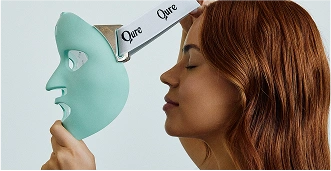
The Q-Rejuvalight Pro checks each of these boxes. It comes with an adjustable head strap, so the mask sits close to your face and stays put whether you're standing, sitting, or lying down. Its 160 dual-core LEDs are spread evenly across the surface, so light reaches your forehead, cheeks, and chin at the same time, not just the areas closest to the diodes.
It's also backed by a one-year warranty covering manufacturer-related issues from everyday use, though the mask is built to last well beyond that!

Light Color
Check which light wavelengths a mask offers before you buy. A single-color mask, red only, for example, is fine if you have one main concern, like fine lines or dullness. Or if you're looking for the best LED face mask for acne treatment, make sure blue light is one of the wavelengths included.
A combination of blue and red light is what is most linked to helping with the look of breakouts, and it's not something every mask offers.
A multi-wavelength mask also gives you more flexibility to treat several concerns as they show up, so it may be a better investment in the long run.
Our Q-Rejuvalight Pro pairs blue with red light in Skin Clearing mode, so it can help improve the look of blemishes and the appearance of redness.
Reputable Brand
This one sounds obvious, but it gets skipped a lot. Check whether the brand discloses its wavelengths, treatment times, and any clinical testing behind the product. If a listing just says "red light therapy" with no specifics, that's a red flag.
It's also worth checking if the device is FDA-cleared. Clearance means the device met regulatory requirements for its intended cosmetic use. It's one of the clearest signals you're dealing with a real skincare tool rather than a novelty gadget.
Read up on the best FDA approved LED face mask, so you know what to check for before you buy.
Price Point
LED masks range from under $50 to well over $500. Price alone doesn't tell you much, but extremely cheap masks often cut corners on wavelength count or power output.
Aim for a mask that clearly lists its specs, rather than the cheapest option on a marketplace listing with no real brand behind it.

LED Face Mask Usage Tips for Optimal Results
Once you've picked a mask, a few habits make a real difference.
Use it on clean, dry skin so the light isn't blocked by makeup or oil.
Apply your skin serum and moisturizer after your session, not before, so the light can reach your skin directly.
Stick to the schedule the manufacturer recommends. In our experience, consistency beats intensity every time.
A few minutes daily will get you further than one long session every couple of weeks.
Conclusion
Finding the best LED face mask really comes down to a few things: real wavelength data, FDA clearance, a fit that actually sits close to your skin, and a routine you'll stick to. Skip the gadgets with vague claims and no specifics.
We built the Q-Rejuvalight Pro around all of this, with five clinically studied wavelengths, a three-minute daily session, and app-controlled customization for the areas that matter most to you.
If you're ready to bring a clinic-quality treatment home, take a look at our Q-Rejuvalight Pro LED face mask and see what a few consistent minutes a day can do.
Frequently Asked Questions
Are LED Face Masks Worth It?
For most people looking for gradual, visible improvements in tone and texture, yes. They're a one-time cost with no recovery time, though results build gradually with consistent use.
Does Red Light Help With Anti-Aging?
Red light supports processes associated with collagen-rich, resilient skin, though changes tend to appear slowly over weeks rather than overnight. Consistency matters more than any single session.
What Different Colors of Light Therapy Are Available?
The main options are red, deep red, blue, amber, and infrared. Each one reaches a different depth of skin and supports a different concern, from tone and firmness to the look of breakouts.
How and When Should You Use Light Therapy?
Most people get the best results using their mask daily, on clean and dry skin, before applying serums or moisturizer. Evening use fits well into most routines.
Is Light Therapy Safe for All Skin Tones?
LED light therapy doesn't use UV light, so it's generally considered suitable across skin tones. That said, always follow the manufacturer's guidance and check with a dermatologist if you have a light-sensitive condition.
How Much Should I Spend on an LED Therapy Mask?
Aim for the mid-range rather than the cheapest option you can find. A mask with clear specs and a known brand behind it tends to hold up better and deliver more consistent results.
Most Popular Posts
-
 #Skin
#Skin
What You Eat Can Reduce Premature Aging by...
-
#Skincare
Beauty Sleep Is Real!
-
#LED Light Therapy
Hack your skincare to match your menstrual cycle
-
#Skin
Ice Bath Facial: the affordably cool hack that...
-
#Skincare
5 Ways To Prevent Premature Ageing
-
#Skincare
Glow Up for the Holidays: Radiant Skin Tips...
-
#LED Light Therapy
Shining Light On Sun-Damaged Skin
-
#LED Light Therapy
How LED Therapy Can Transform Your Skin
-
#Skin
How Cortisol Affects the Skin: The Stress-Skin Connection...
-
#Skin
The Hidden Toll of Smoking on Your Skin:...


