
Few things age the skin faster than uneven tone. Whether caused by sun damage, old acne scars, or hormonal changes, dark spots have a way of dulling even the healthiest complexion.
They appear slowly but resist fading, often persisting long after the trigger is gone.
Red light therapy for dark spots offers a modern, non-invasive solution rooted in science, not guesswork.
Instead of relying on exfoliation or harsh light treatments, it rebalances the skin's natural repair mechanisms – calming inflammation, renewing cells, and gradually fading discoloration from the inside out. Here's everything you need to know.
What this article covers:
- What Causes Dark Spots and Hyperpigmentation
- What Is Red Light Therapy
- How Red Light Therapy Helps Fade Dark Spots
- Red Light Therapy vs. Other Pigmentation Treatments
- How to Use Red Light Therapy for Dark Spots at Home
- Frequently Asked Questions
What Causes Dark Spots and Hyperpigmentation
Dark spots form when melanin, the pigment that gives skin its color, becomes unevenly distributed throughout the skin.
This clustering can result from multiple overlapping causes:
- UV exposure: Chronic sunlight exposure overstimulates melanocytes, leading to sun-induced spots or “solar lentigines.”
- Post-inflammatory hyperpigmentation: Acne, eczema, or irritation can leave behind lingering marks once inflammation subsides.
- Hormonal triggers: Fluctuations in estrogen or progesterone can intensify pigment production, particularly in melasma.
- Aging: As cell turnover slows, older, pigmented cells remain on the surface longer, dulling tone.
While topical brighteners can fade surface-level discoloration, they rarely influence the deeper cellular processes responsible for pigment imbalance.

What Is Red Light Therapy
Red light therapy, also known as low-level light therapy (LLLT), emits precise wavelengths of visible and near-infrared light that trigger a biological process called photobiomodulation.
When light between 630 nm and 660 nm reaches the dermis, it's absorbed by mitochondria, boosting production of adenosine triphosphate (ATP).
This extra energy powers essential skin functions, including collagen synthesis, cellular turnover, and pigment correction.
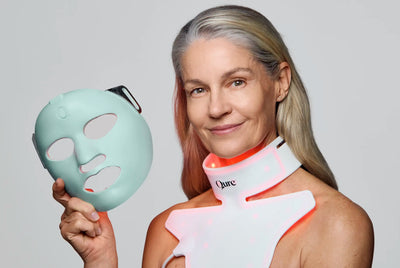
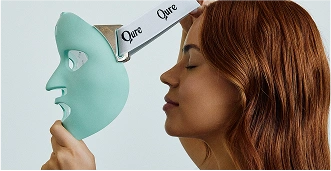
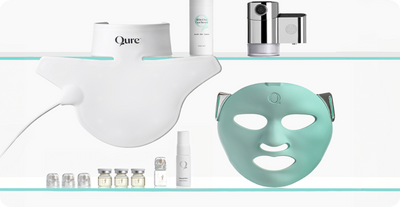
Qure's red light mask also includes amber light (≈605 nm) to improve brightness and infrared light (≈880 nm) to enhance healing and circulation beneath the surface.
The result is healthier, more balanced skin function that gradually fades discoloration without irritation.
How Red Light Therapy Helps Fade Dark Spots
Fading dark spots isn't just about lightening pigment. it's about restoring balance. Red light therapy helps the skin repair itself naturally, rebuilding tone and brightness from within. Here's how that benefits you.
Stimulates Cell Renewal
Red light therapy speeds up the skin's natural renewal cycle by energizing keratinocytes and fibroblasts. This process allows older, pigmented cells to shed more quickly, revealing smoother, more even-toned skin underneath.
With regular use, the complexion appears clearer and brighter – without peeling or irritation.
Reduces Inflammation
Chronic inflammation can signal melanocytes to overproduce pigment. Gentle red and near-infrared wavelengths help suppress these inflammatory pathways while strengthening the skin barrier.
This makes it particularly effective for calming post-acne marks and preventing new discoloration from forming.

Boosts Collagen and Circulation
Increased collagen synthesis not only improves elasticity but also refines texture, giving the skin a uniform light reflection that minimizes the visibility of dark spots.
At the same time, better circulation delivers oxygen and nutrients where healing is most needed, restoring a fresher, more luminous glow.
Supports Melanin Regulation
Unlike bleaching agents that strip pigment unevenly, red light therapy restores balance to melanin distribution.
It helps melanocytes function more predictably, reducing blotchiness and preventing recurring pigmentation.
For those already using red light therapy for dark circles, this same process also improves tone around the eyes, demonstrating the versatility of LED-based rejuvenation across various skin concerns.
Red Light Therapy vs. Other Pigmentation Treatments
Let's compare red light therapy with other pigmentation treatments to see how it delivers lasting clarity with less risk and no recovery time.
|
Treatment |
Action |
Invasiveness |
Downtime |
Risk of Irritation |
|
Red Light Therapy |
Stimulates repair and regulates melanin |
Non-invasive |
None |
Low |
|
Chemical Peels |
Exfoliate surface pigment |
Semi-invasive |
2–5 days |
Moderate |
|
Laser Therapy |
Break up pigment clusters |
Invasive |
3–7 days |
High |
|
Topical Brighteners |
Lighten surface discoloration |
None |
None |
Possible sensitivity |
Where traditional treatments target symptoms, red light therapy addresses root causes – sluggish cell turnover, excess inflammation, and uneven pigment signaling.

How to Use Red Light Therapy for Dark Spots at Home
Consistency is what transforms light therapy from a temporary fix into a long-term investment in skin health.
Each session reinforces the previous one, encouraging steady renewal and pigment regulation.
- Start with clean, dry skin: Wash away oil, sunscreen, and cosmetic residue so light energy can reach the skin evenly. A clear surface ensures the wavelengths penetrate effectively.
- Apply a hydrating base: A lightweight serum or moisturizer helps maintain barrier comfort during treatment and prevents dryness. Hydrated skin also conducts light more evenly.
- Use your LED device as directed: Treat for about 10 to 15 minutes, three to five times per week. Multi-wavelength systems, such as the Q-Rejuvalight Pro red light mask, deliver consistent light exposure across pigmentation-prone areas like the cheeks, temples, and forehead.
- Soothe the skin afterward: A calming mist containing hypochlorous acid spray helps support barrier recovery and reduce redness after treatment.
- Protect from UV exposure: Always apply broad-spectrum sunscreen during the day. Red light therapy supports repair, but new pigmentation can form quickly when skin is unprotected outdoors.
- Be patient and consistent: Gradual fading usually becomes noticeable within six to 10 weeks, with deeper improvements continuing as renewal progresses.
Frequently Asked Questions
Does Red Light Therapy Remove Dark Spots Permanently?
Red light therapy helps fade visible pigmentation and prevents recurrence by improving skin health, but consistent maintenance and UV protection are essential for lasting results.
How Long Does It Take for Red Light Therapy to Fade Pigmentation?
Most users see noticeable brightening after six to ten weeks of consistent use, with continued improvement over several months.
Can Red Light Therapy Help With Sun Damage?
Yes. It promotes collagen repair and circulation, both of which support the skin's ability to recover from photoaging and fade sun-induced spots.
Is It Safe for Melasma or Post-Acne Marks?
Yes. Qure's LED systems are non-thermal and suitable for pigment-prone or sensitive skin. They reduce inflammation – a key trigger of melasma – without irritating the epidermis.
Can I Combine Red Light Therapy With Brightening Serums or Retinol?
Yes, though stronger actives like retinol should be alternated to prevent sensitivity. Hydrating and antioxidant serums pair best immediately after treatment.
Conclusion
Red light therapy for dark spots represents the next generation of intelligent skincare, where science and sensitivity meet.
By energizing the skin's repair systems it helps fade discoloration, refine texture, and reveal a more even, luminous complexion without irritation or downtime.
Qure Skincare's FDA-cleared red light mask combines red, deep red, amber, and infrared light for a multi-layered approach that supports pigment correction and overall skin vitality.
Dermatologist-developed and rigorously tested, every Qure device and formula reflects a commitment to safety, efficacy, and clinical precision.
With regular use, clearer, brighter skin becomes not just a goal, but an attainable result.
Read more about targeted skincare topics:
Most Popular Posts
-
 #Skin
#Skin
What You Eat Can Reduce Premature Aging by...
-
#Skincare
Beauty Sleep Is Real!
-
#LED Light Therapy
Hack your skincare to match your menstrual cycle
-
#Skin
Ice Bath Facial: the affordably cool hack that...
-
#Skincare
5 Ways To Prevent Premature Ageing
-
#Skincare
Glow Up for the Holidays: Radiant Skin Tips...
-
#LED Light Therapy
Shining Light On Sun-Damaged Skin
-
#LED Light Therapy
How LED Therapy Can Transform Your Skin
-
#Skin
How Cortisol Affects the Skin: The Stress-Skin Connection...
-
#Skin
The Hidden Toll of Smoking on Your Skin:...


